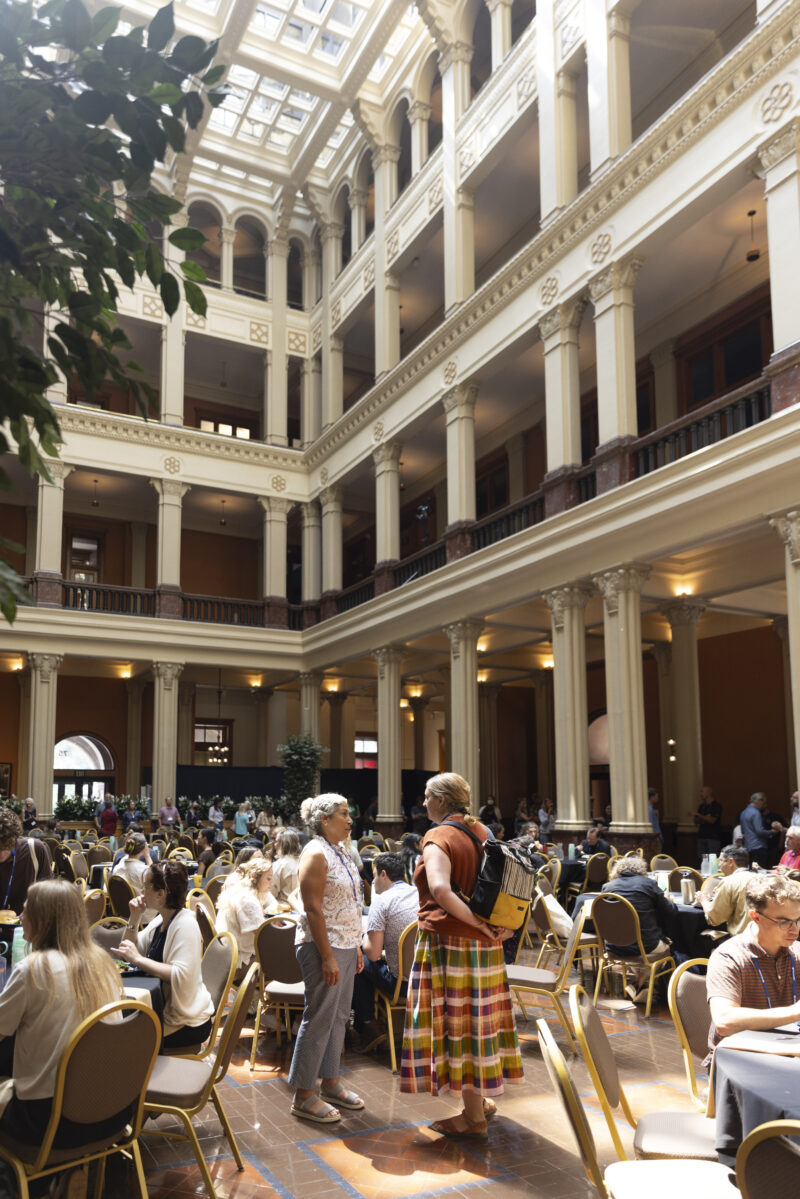
Material reuse isn’t a product. It’s a process — and it takes a lot of work to make it work.
The people who do that work recently came together at the Build Reuse conference, an annual gathering of organizations committed to deconstruction and building material reuse across North America. This inspiring meetup in Saint Paul, Minnesota, was all about sharing what works and learning from one another. Green Standards was proud to partner with the U.S. Green Building Council to run an action-packed workshop on the theme of Better Endings. More on that below — but first, here’s what else inspired us:
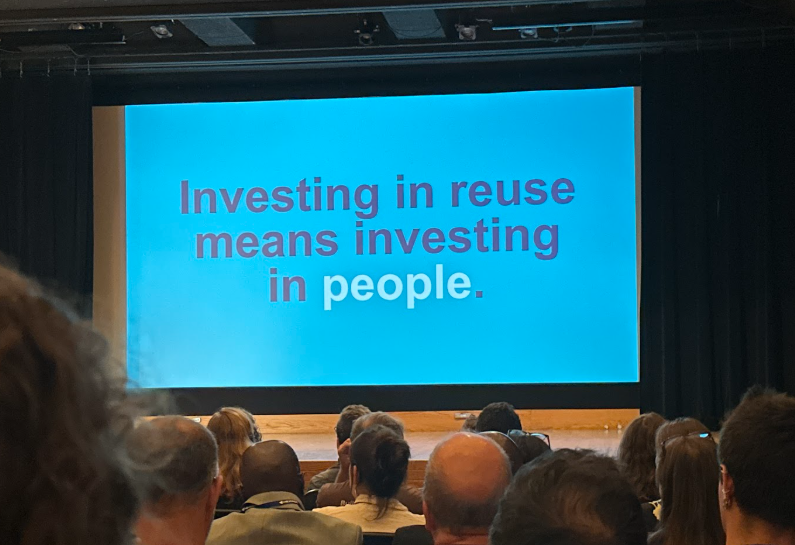
📢 Kira Gould’s keynote plea to drop the technical jargon and speak plainly if we want more people at the table. And, as her slide pictured above says, talk about people!
🔄 Architect Brad Guy dug into the complex issue of getting environmental product declarations (EPDs) in the messy field of deconstruction. We know that reusing steel, brick, carpet tile, workstations, timber and precast concrete reduces the global warming potential per product per category by between 65-95%. But will putting those numbers in front of people change their behavior?
🤝 Marcus Hopper of Gensler challenged us to humanize the process and embrace incremental progress. Some deconstruction is better than none!
💰 Amanda Barke of Lloyd’s Construction in the Twin Cities had a great one-sentence pitch for her clients: “If you don’t get rid of this, you’ll save money on disposal”
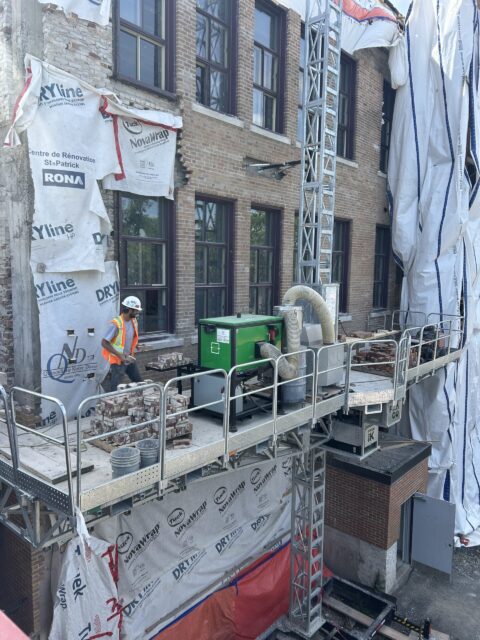
🧱 “Deconstruction” Dave Bennink and Jimmy Mitchell showed how reuse isn’t just a preservation win — it’s a financial one too. They demonstrated how they saved money on a project by saving (and celebrating) tiles that date back to the civil-rights era.
And to close out the conference, Garr Punnett and Larry LaMotte brought everyone together for a cathartic workshop on what the industry needed to do to move from bazaar to marketplace. As Punnett wrote in his conference recap:
Attendees recognized that success requires making reclaimed materials “look more like what customers are accustomed to shopping for” while simultaneously educating consumers about creative applications. … The ideal scenario painted by attendees was simple: make deconstruction and material resale “cheaper, easier and faster.”
How that happens is, of course, the hard part, but Build Reuse is the organization best suited to make it happen. If you’re interested in being part of the solution, consider joining their community.
How we design, measure & market better endings
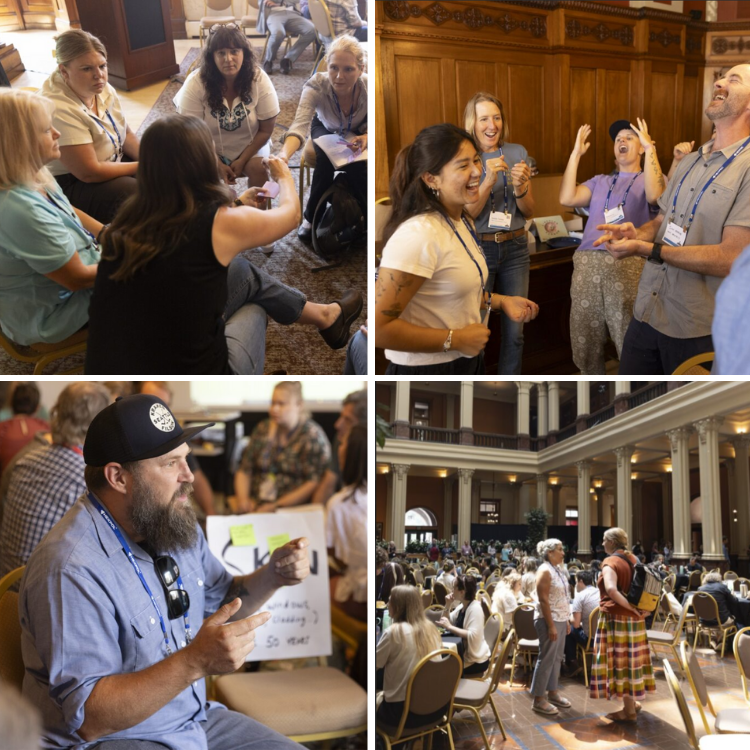
What does the end know that the beginning should?
That’s the question we asked a brilliant room full of deconstruction experts at the Build Reuse conference, and we loved what they had to say. The results will be published in our next Circular Workplace Field Guide called Better Endings, and subscribers to this newsletter will get it first.
Here are some of the clever thoughts that got the room buzzing:
- There’s been plenty of talk about Design For Disassembly, but isn’t the real goal Design for Reassembly?
- Origin Stories: No longer just for superheroes!
- Could the most meaningful metric be Community Retention?
- Stucco is yucko!
- Everything flows from resilient locations.
Stay tuned for our Better Endings Field Guide, coming next month!
Houston lawyers make the case for sustainability
The recent relocation of the Houston Bar Association’s headquarters from two floors across 20,000 square feet meant there would be hundreds of pieces of furniture, equipment, and supplies that the organization would no longer need.
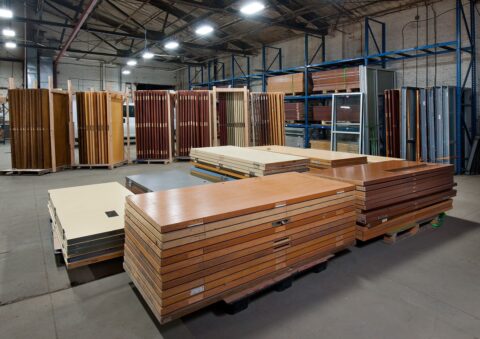
As one of the largest bar associations in the country serving the needs of more than 10,000 members of the legal profession, the HBA was committed to supporting their city with donated furniture. They partnered with Green Standards to facilitate furniture donations and arrange specialized recycling that kept their items out of landfill while giving back to the community.
A Kansas City case study of circular collaboration
Circularity, as we never tire of saying, is all about collaboration. And that teamwork is getting attention in Kansas City, where a $20M office renovation made the news for taking a collaborative, sustainable approach. The key players:
- JE Dunn Construction Group, the national general contracting firm with its LEED-certified headquarters in Kansas City.
- encompas, the best-in-class Haworth furniture dealer serving Kansas City, Wichita, and Omaha.
- Helix, the architecture and design firm that was part of the building’s original design team in 2009.
- Green Standards, the sustainable decommissioning company that’s facilitated furniture donations to nearly 100 non-profits across Missouri.
We’re proud to share that our work made the Kansas City Business Journal under the headline “Team approach helps boost sustainability, reduce waste from JE Dunn HQ renovation.”
We’re always looking for case studies, actionable tips, and news items about the circular workplace. Reach out at hello@circularworkplace.com to join our coalition.
Signup for the Roundup
Subscribe to our newsletter and we’ll send you circular workplace updates every month