Did you know your surplus office furniture can feed your hungry neighbors? Green Standards helps make that happen every day all around the world. To appreciate it, though, you really need to see it in action.
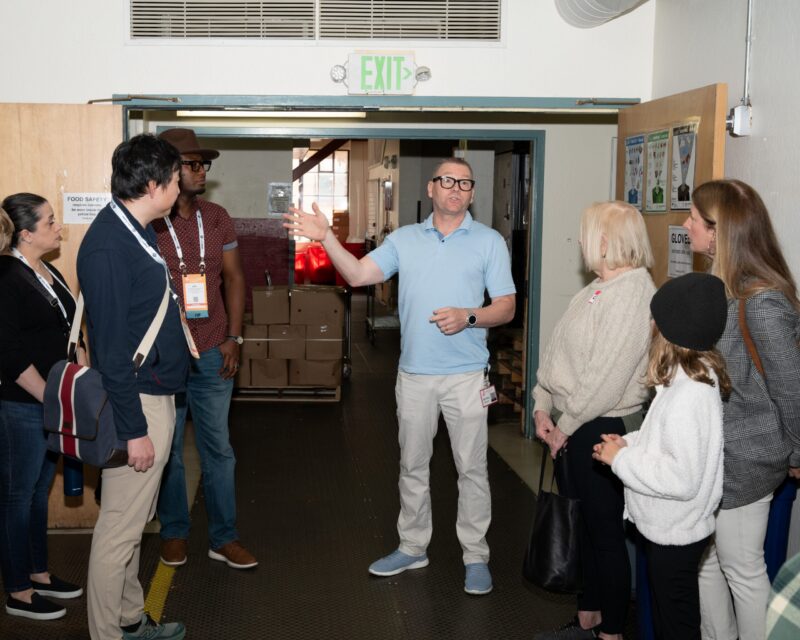
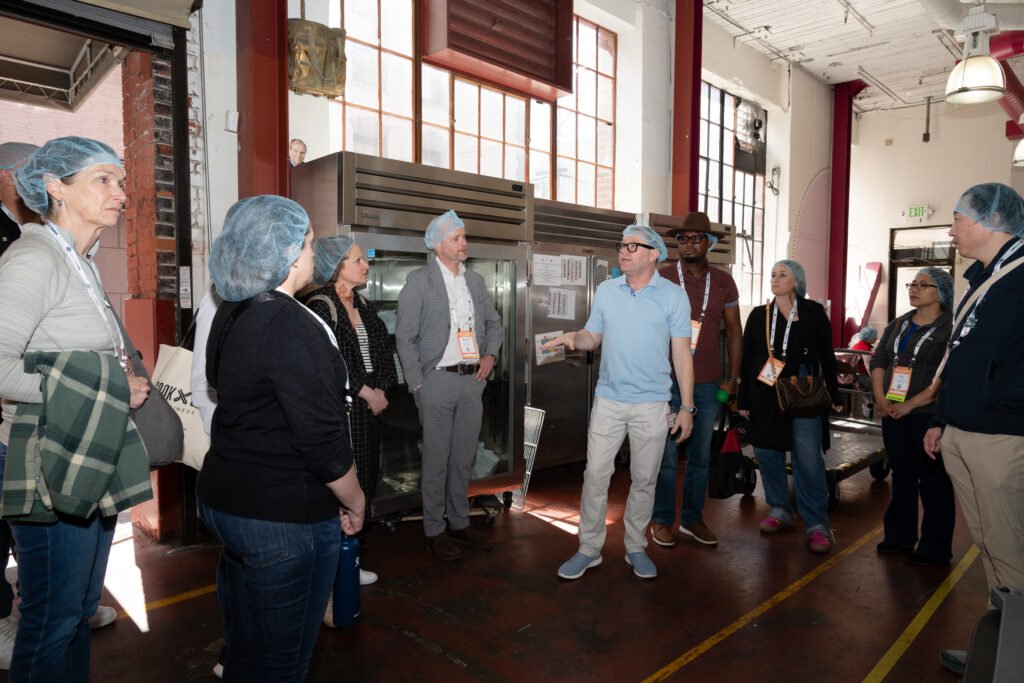
That’s what we did at the International Facility Management Association’s Facility Fusion conference in San Francisco. While the idea of sustainability and the power of community donations can often feel like abstract concepts, our tour of Project Open Hand showed an engaged group of FMs from around the world exactly how major Bay Area corporations are making change happen.
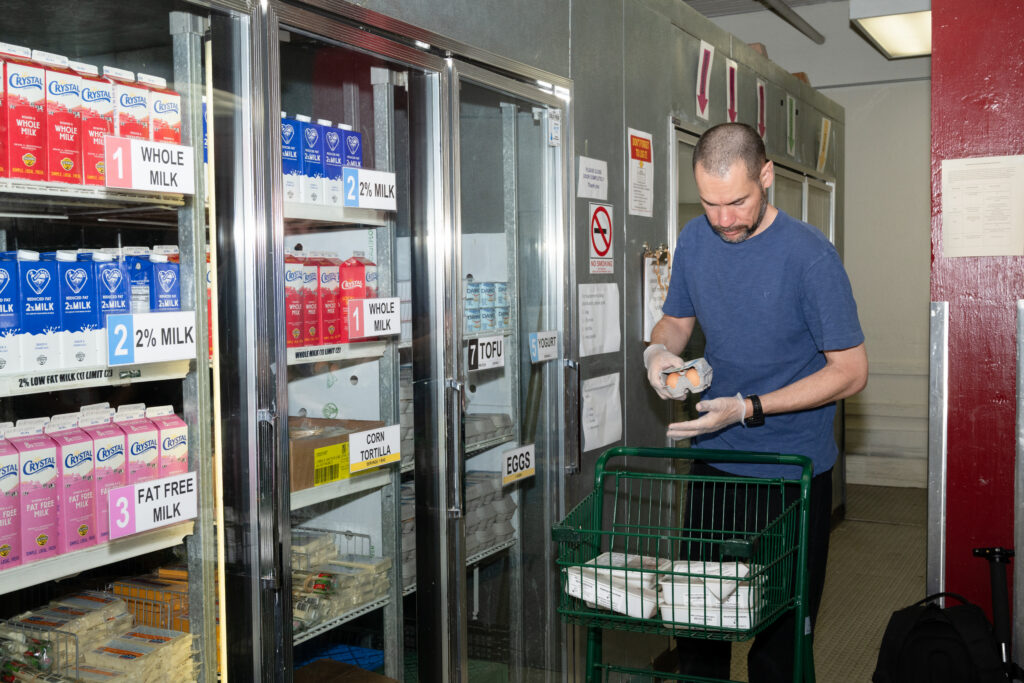
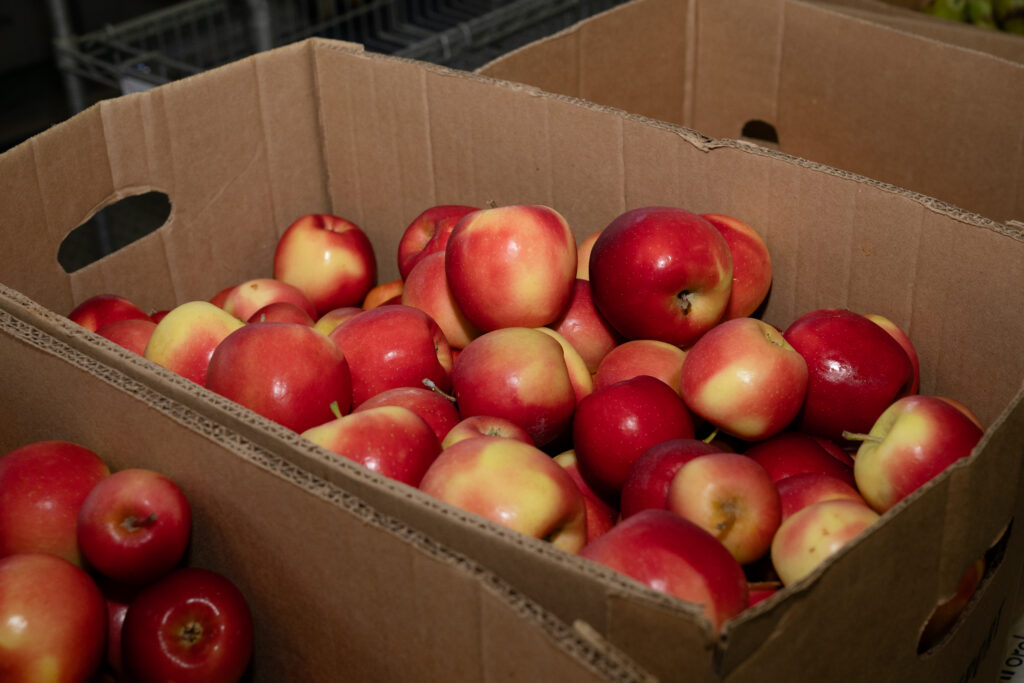
As the Official Social Impact Partner of IFMA, we at Green Standards spend a lot of time talking up the power of reuse and redistribution. This tour made it come to life. We saw the apples, fish filets, and cartons of soy milk being prepared for clients as we learned how the sustainable decommissioning of a corporate office translates into a direct, tangible community resource.
Turning Office Surplus into Community Care
The furniture and equipment keeping Project Open Hand’s operations running weren’t just symbolic donations—they were high-quality assets diverted from landfills by some of the Bay Area’s largest corporations. When facility managers choose sustainable decommissioning partners who prioritize donation over disposal, they become active participants in community building organizations. And these donations of furniture, fixtures, and equipment, including sit-stand desks, boardroom tables, flat-screen TVs, soft seating, refrigerators, and much more, were on view and in use throughout the Polk Street building.
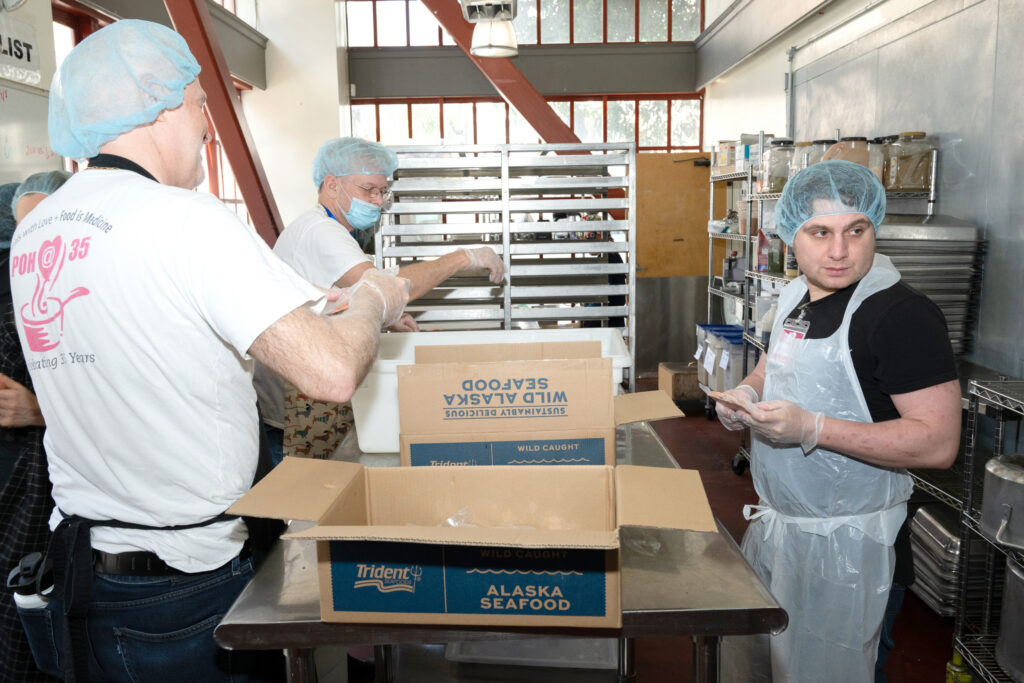
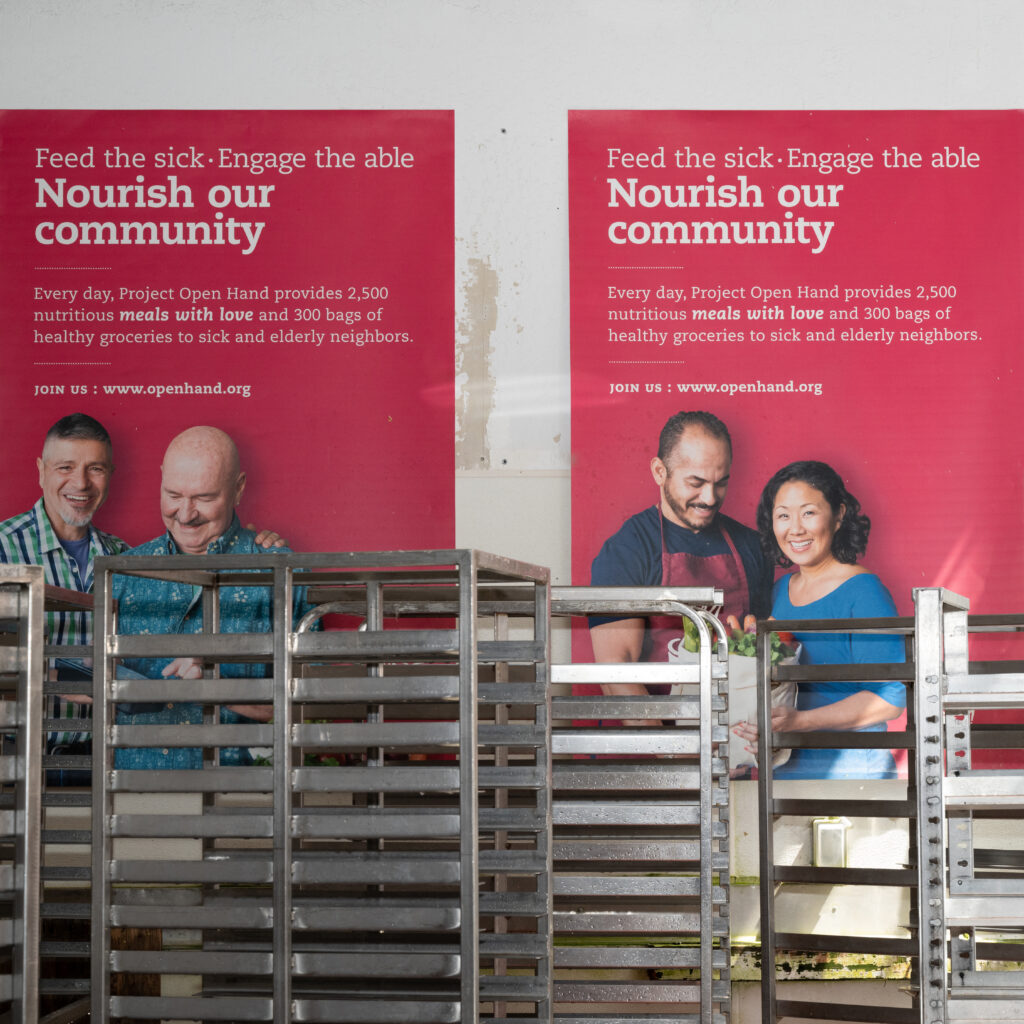
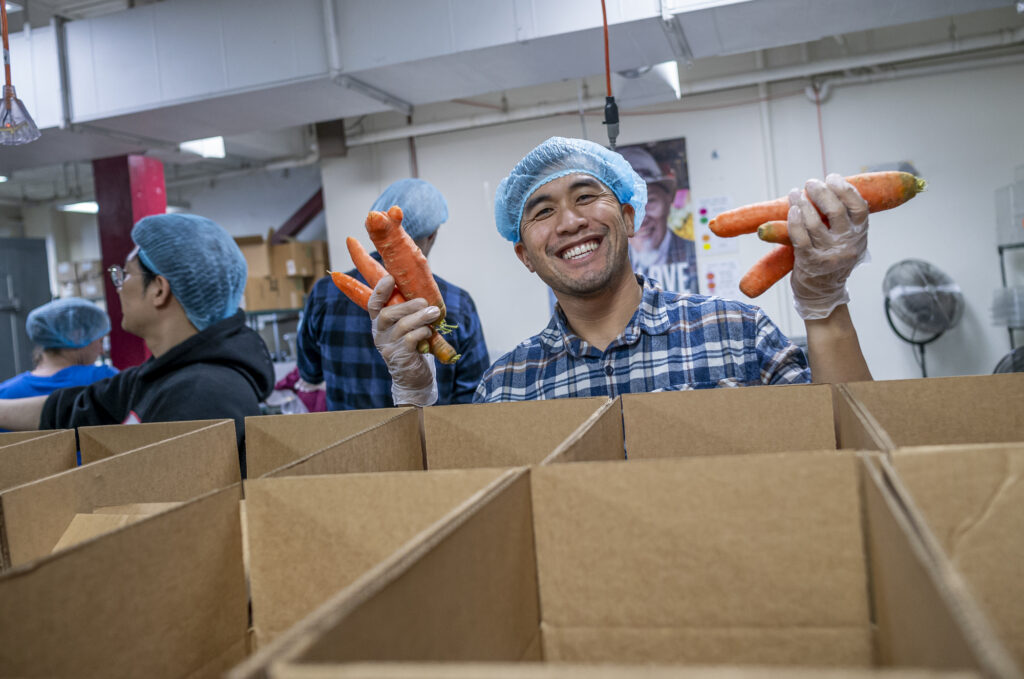
Operational Excellence: Food is Medicine
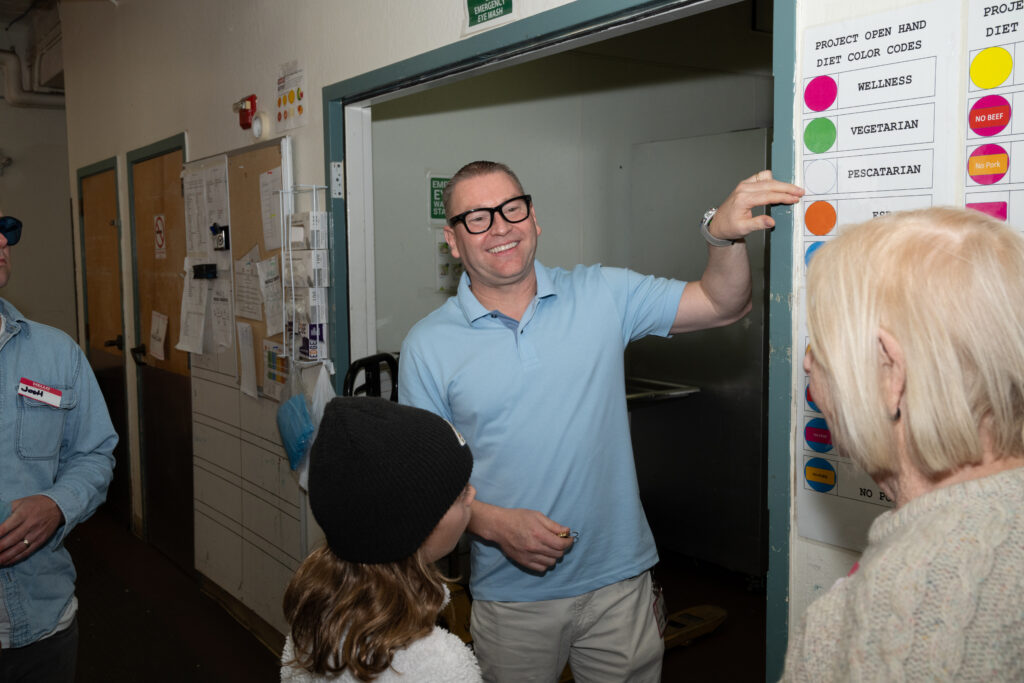
Project Open Hand is a sophisticated machine. Under the enthusiastic guidance of Michael McCormick, Director of Operations, we explored the nuts and bolts of their four-storey headquarters in San Francisco’s Tenderloin district as we learned more about their innovative “food is medicine” philosophy.
The tour showcased a high-efficiency environment:
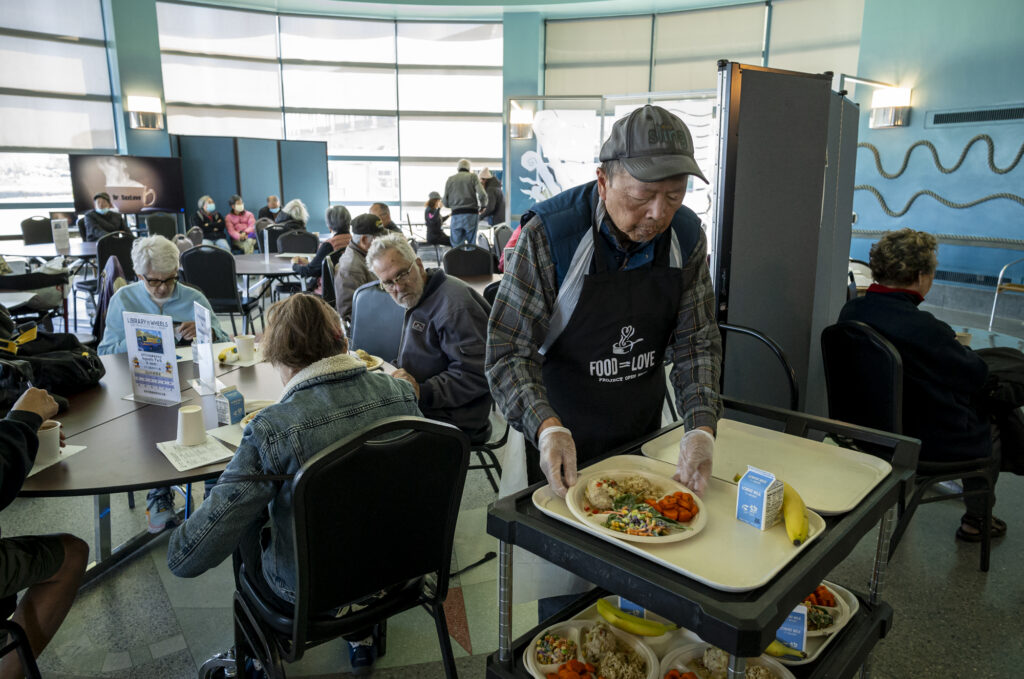
- Production Kitchens: Where thousands of medically tailored meals are prepped daily for clients across the Bay Area.
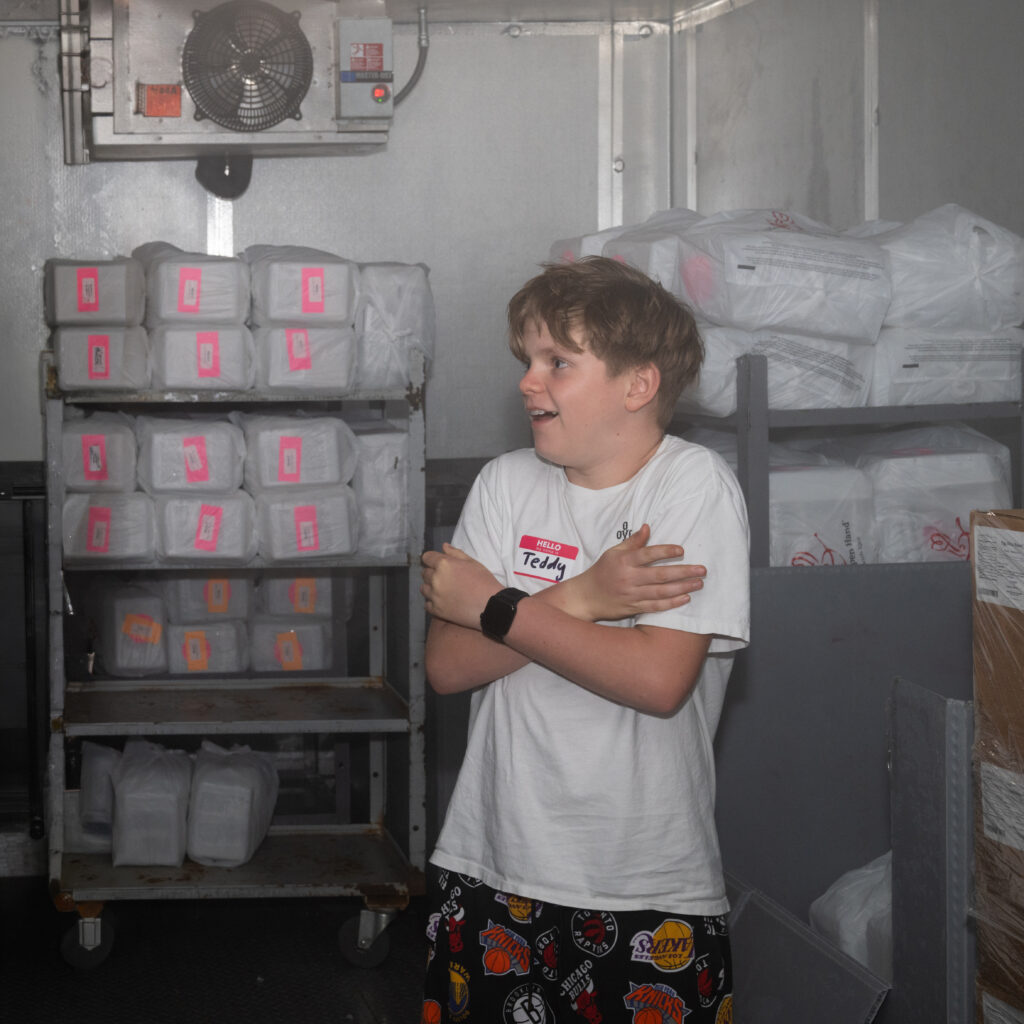
- The Deep Freeze: A massive storage facility ensuring no resource is wasted.
- Specialized Care: Interestingly, the organization employs more registered dieticians than many hospitals—a testament to their specialized approach to health and nutrition.
Project Open Hand’s furniture budget is effectively zero, which is why the donated items are so welcome. Every dollar they raise means more clients can be fed, so every desk they don’t have to buy means more community impact. Corporate clients of Green Standards have made more than $75,000 worth of in-kind donations to Project Open Hand. That’s the equivalent of:
- 27,777 breakfasts served, or
- 21,660 client nutrition program lunches served, or
- 3,989 client grocery visits, or
- 1,275 nutrition counselling sessions, or
- 75 years of wellness program service.
Why Sustainable Decommissioning Matters
Since Project Open Hand launched in 1985, they’ve grown from a neighborhood kitchen to a full-blown clinical powerhouse and a founding member of the Food is Medicine Coalition. Their programming served over 715,000 medically tailored meals last year alone to neighbors battling HIV, cancer, and heart disease. And the social impact is real: Recent data shows that 94% of their clients report improved health, while nearly three-quarters of those with diabetes have seen a significant drop in their blood sugar levels. By treating nutrition as a prescription, they’ve proven that the right diet can be just as vital as a bottle of medicine, all while saving the healthcare system thousands in avoidable hospital visits.
You can learn more about the innovative work Project Open Hand does at www.openhand.org.
For the facility managers in attendance, the day sparked a necessary shift in perspective. That warehouse of “surplus goods” or that supply room full of extra chairs isn’t just an operational headache or a line item for a landfill—it’s an opportunity for social impact.
Ultimately, this visit captured the human side of the circular economy: maximizing value, minimizing waste, and building community. When we keep workplace assets in use, their value extends far beyond office walls.